Celebrating Haitian Heritage Month: Symbols, Language, and Pride

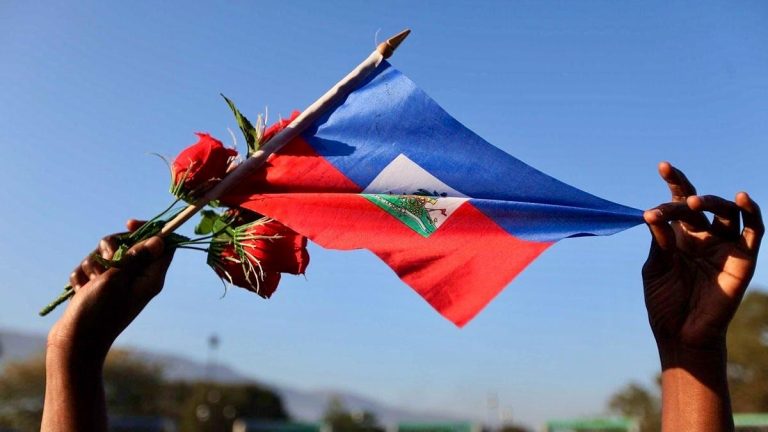
Each May, Haitian Heritage Month gives us a chance to celebrate the vibrant culture, rich history, and global contributions of the Haitian people. From the colors of the flag to the rhythm of kompa and the comfort of soup joumou, every part of Haitian identity tells a story of pride, resilience, and community.

At Creole Solutions, we believe that language is more than a tool,  it’s a gateway to heritage. That’s why we’re proud to spotlight the symbols and expressions that define Haitian culture.


 

Brand Trust Through Multilingual Communication

If your organization serves Haitian Creole-speaking communities, employees, or clients, you already know that clear communication is essential. But here’s what often gets overlooked:

Accuracy is just the starting point. Consistency is what builds trust.

When your messaging sounds different each time, even when the words are technically correct, people start to tune out, question what’s official, or feel left out. It can lead to confusion, delays, and a loss of credibility.

This guide will show you how to build a multilingual communication system that keeps your voice consistent, your teams aligned, and your audience confident in what you’re saying.

Why Language Access Matters More Than Ever

Supporting Haitian Creole Speakers Through Accurate Language Services

In a world where communication drives every aspect of daily life, language access is more critical than ever, especially for individuals and communities who speak less commonly supported languages like Haitian Creole.

For healthcare providers, government agencies, schools, and nonprofits, ensuring that everyone can both understand and be understood is not just good practice,  it’s an essential part of delivering equitable, effective services.

How Celebrating Haitian Heritage Month Strengthens Your Workforce

May is Haitian Heritage Month, a time to recognize the rich culture, resilience, and contributions of the Haitian people.
For companies committed to building diverse, thriving workplaces, this month offers a powerful opportunity.

Celebrating Haitian Heritage Month isn’t just a gesture of goodwill, it’s a smart investment in employee engagement, loyalty, and performance.

Here’s why it matters, and how it can strengthen your business.

Language Justice Is People Justice: Why Haitian Creole Access Matters

When we talk about justice, most people think of legal systems, civil rights, or economic equality. But there’s one form of justice that often gets overlooked, and yet shapes every interaction, every service, every program we offer:

Language justice.

For organizations working in healthcare, education, public services, or community development, especially those serving multilingual communities like the Haitian diaspora, language justice isn’t a nice-to-have. It’s a must.


And here’s why.

Key Benefits of Remote Haitian Creole Interpretation Services

In today’s increasingly diverse and interconnected world, effective communication is more important than ever, especially when language differences can create barriers to essential services. Whether you’re working in healthcare, education, legal services, or customer support, being able to communicate clearly and compassionately with clients in their native language can transform the way you deliver care, information, and solutions.

For organizations that serve Haitian communities, remote Haitian Creole interpretation services provide a practical, reliable, and high-quality solution. These services ensure that language differences never get in the way of understanding, connection, or trust.

Let’s explore some of the key benefits of remote interpretation and why working with a certified Haitian Creole interpreter is a smart investment for any team or organization.


What Haitian Workers Wish You Knew

But Might Not Say!

Every day, Haitian Creole-speaking workers show up in warehouses, hospitals, kitchens, and hotels across the U.S. – often doing the work others depend on but rarely see.

Many of these employees are smart, loyal, and experienced. But they’re also navigating real barriers that can make it harder to fully participate, speak up, or stay engaged. And often, those challenges go unnoticed, until something goes wrong.

If you’re an HR leader, manager, or union organizer, here’s what many Haitian workers wish you knew, but may never say out loud.


Haitian Creole is on the Rise

Once overlooked in formal spaces, Haitian Creole is now finding its voice on global platforms, from classrooms and government agencies to AI labs and language apps.

It’s clear that Haitian Creole is no longer on the margins, it’s at the center of important conversations about access, equity, and cultural pride.

How the 1979 Reform Shaped the Haitian Creole Writing System


Language is more than a tool for communication—it carries the weight of a people’s history, culture, and identity. In Haiti, that language is Haitian Creole. Spoken by nearly every Haitian, it echoes through markets, classrooms, churches, and homes. Yet for much of its history, Haitian Creole lacked a standardized writing system—making it difficult to teach, document, or preserve in written form. This absence deepened social divides and limited access to education for millions.

That changed in 1979, when Haiti introduced a historic orthographic reform. The reform gave Haitian Creole a consistent, phonemic writing system rooted in how the language is actually spoken, paving the way for literacy, inclusion, and cultural pride.

In this article, we explore the path that led to the reform, the key changes it introduced, and the enduring impact it continues to have on Haitian society today.

The Role of Interpretation in Workforce Success & Growth

In our last discussion, we talked about how Haitian Creole interpretation services help prevent workplace accidents. They ensure that important safety procedures are clearly understood. High-quality interpretation does more than just help with compliance and reduce risks. It also boosts workforce empowerment, productivity, and overall business success.

Workplaces today are more diverse than ever, with employees from different cultural and linguistic backgrounds coming together to contribute their skills and expertise. While this diversity brings immense value, it also presents challenges in communication. Without clear understanding, instructions can be misinterpreted, important details can be lost, and employees may feel disconnected from their teams. This is where professional interpretation becomes a game changer.